Stay in the Know About Salem
Get upcoming events, things to do & seasonal news straight to your inbox.
Sign Up Now
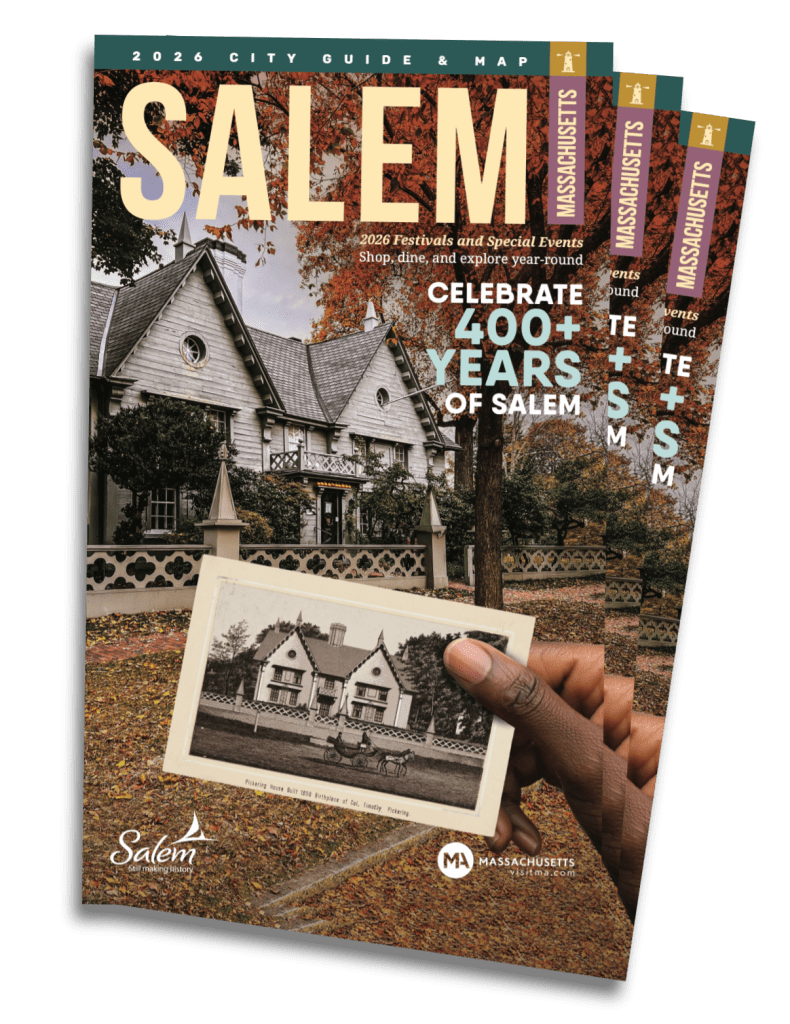


Photo Credit: @creativecollectivema

Photo Credit: @creativecollectivema


Photo Credit: @creativecollectivema
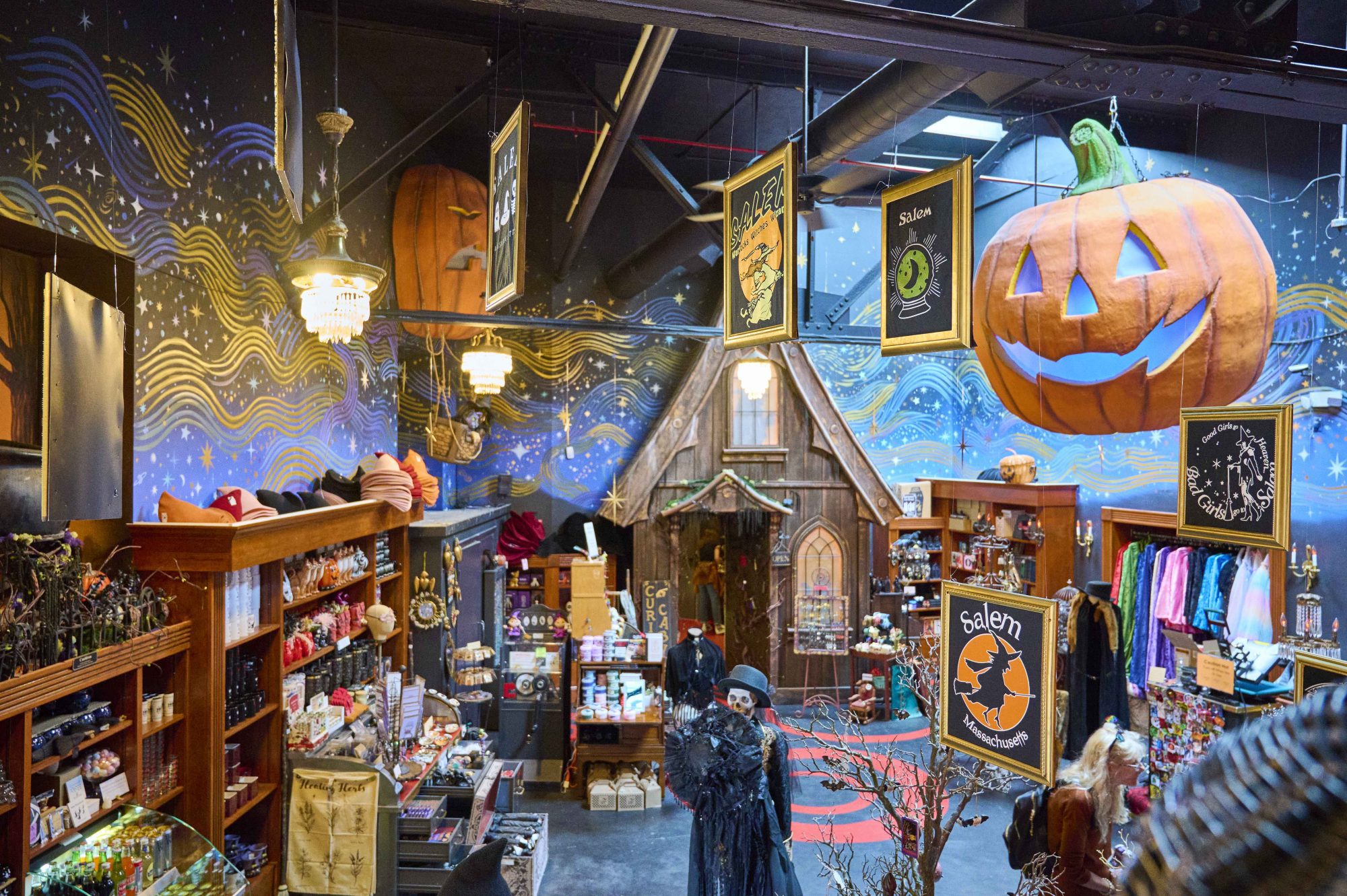
Photo Credit: Jess Shada

Photo Credit: Jess Shada
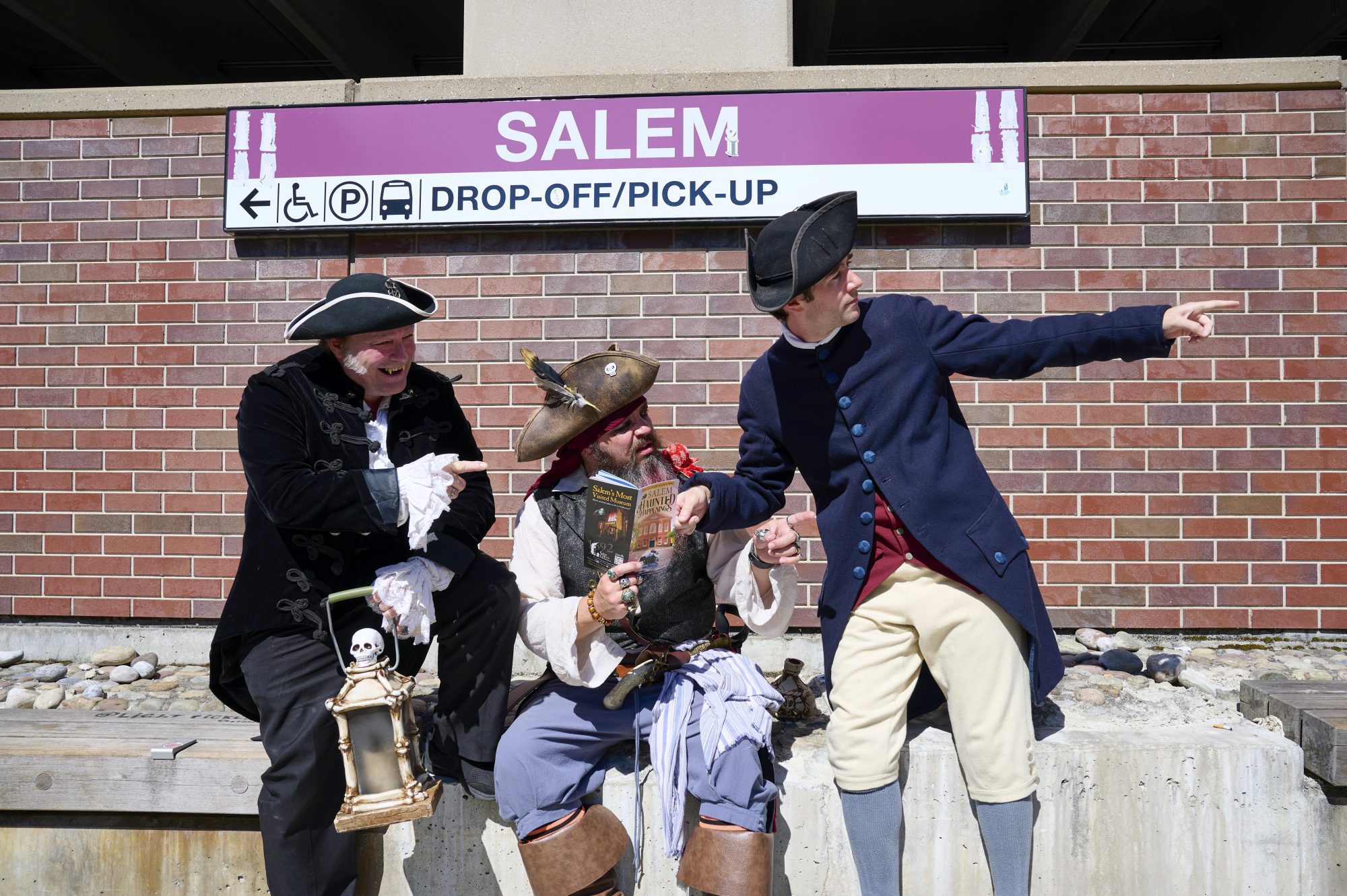
Photo Credit: Jess Shada
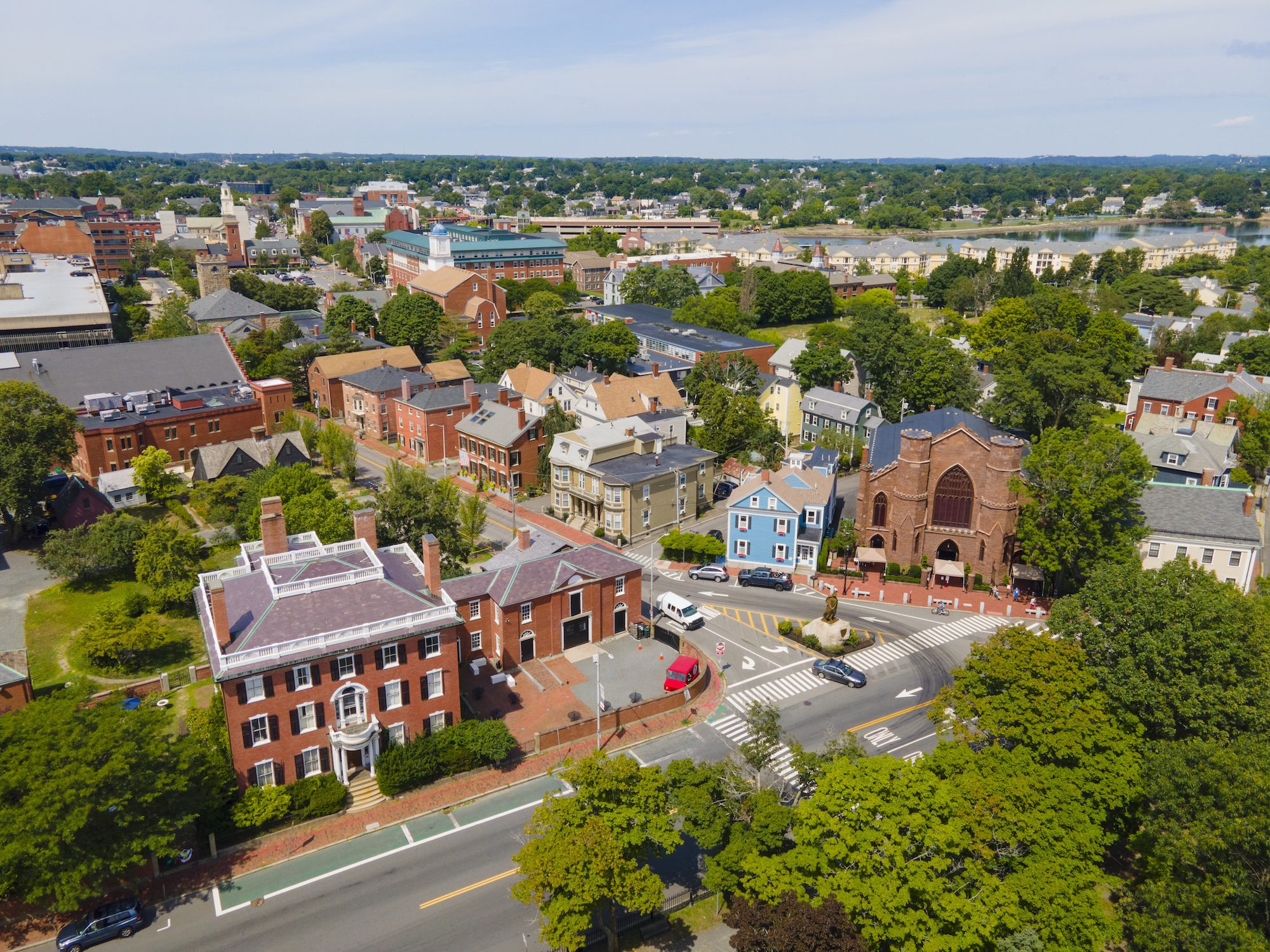

Photo Credit: Kathy Tarantola


Discover 400+ Years of History at the Salem Witch Museum
July 24, 2026
Written By:
Bridie O'Connell
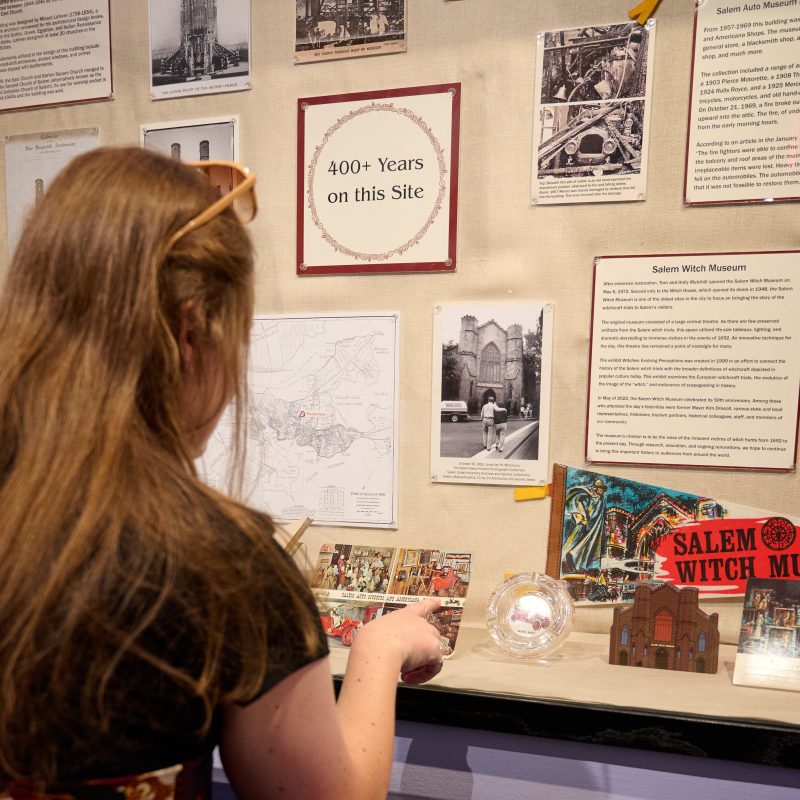
SPONSORED CONTENT | Photographed by Jess Shada, Destination Salem
Most visitors step inside the Salem Witch Museum expecting to learn about the events of 1692. But this year, as Salem celebrates its 400+ anniversary, the museum invites guests to take an even broader view of the city’s history with a new display exploring the remarkable story of the land beneath one of Salem’s most iconic landmarks.
Located inside the museum, the Salem 400+ display traces more than four centuries of history, revealing that the site has worn many hats long before becoming one of the city’s most visited attractions. It’s a fascinating reminder that while the Salem Witch Museum tells the story of the witch trials, the building — and the land it stands on — has a story all its own.
That story begins long before English settlers arrived. For generations, this land was known as Naumkeag, or “fishing place,” and was home to Indigenous peoples, including the Massachusett Tribe, who continue to honor and hold this land today. The display acknowledges this history, encouraging visitors to consider Salem’s story in its fullest context.
By the time of the Salem witch trials in 1692, the property was home to Reverend John Higginson, Salem Town’s elder minister. Although Higginson later expressed regret over the tragic events of 1692, he did not intervene during the trials themselves. The display also shares the lesser-known story of his daughter, Ann Higginson Dolliver, who was herself accused of witchcraft. After confessing to a range of unusual acts, including creating poppets, she was ultimately released, likely because of her family’s standing within the community.
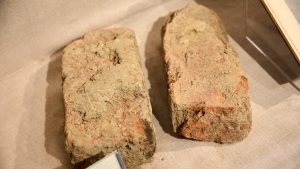
Among the most compelling objects on display are several seventeenth-century bricks discovered on the property, believed to have been part of Reverend Higginson’s home. It’s a simple artifact, but one that creates a tangible connection to the people who once lived on this very ground more than 330 years ago.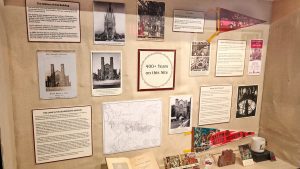
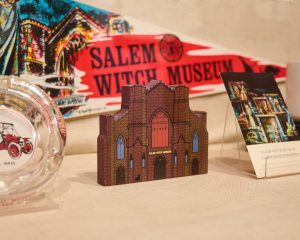
The display continues through the many lives of the building itself. Constructed between 1844 and 1846 as Salem’s East Church, the striking Gothic Revival structure was designed by renowned architect Minard Lafever. Visitors can still admire its pointed arches, soaring windows, and distinctive stonework today.
In the mid-twentieth century, the building entered an entirely different chapter as the Salem Auto Museum and Americana Shops, home to antique automobiles, recreated storefronts, and historical collections. A devastating fire in 1969 severely damaged the building and destroyed much of the museum’s collection, paving the way for yet another transformation.

Following extensive restoration, the Salem Witch Museum opened its doors on May 6, 1972. More than fifty years later, it remains one of Salem’s most recognizable attractions, welcoming visitors from around the world to learn about the 1692 witch trials and the lasting consequences of fear, injustice, and scapegoating.
The new Salem 400+ display adds another meaningful layer to that experience. Before or after your visit through the museum’s galleries, take a few extra minutes to explore this thoughtful installation. You’ll leave with a deeper appreciation not only for the Salem Witch Museum, but for the many stories that have unfolded on this historic site over the past four centuries.

Privacy Policy | © 2026, All Rights Reserved. Website designed and developed by Sperling..