Stay in the Know About Salem
Get upcoming events, things to do & seasonal news straight to your inbox.
Sign Up Now


Photo Credit: @creativecollectivema

Photo Credit: @creativecollectivema


Photo Credit: @creativecollectivema
Photo Credit: Jess Shada

Photo Credit: Jess Shada
Photo Credit: Jess Shada

Photo Credit: Kathy Tarantola


Why You Should See Edmonia Lewis: Said in Stone This Spring
February 19, 2026
Written By:
Bridie O'Connell
SPONSORED CONTENT | Written by Destination Salem
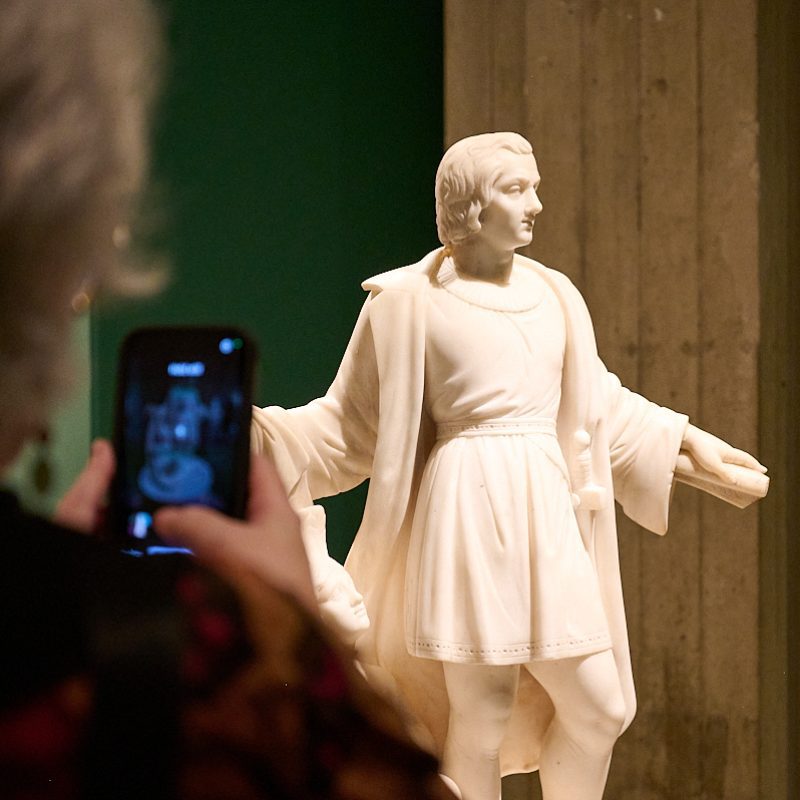
If you’re planning a visit to Salem this spring, or are lucky enough to live nearby, make time to experience Edmonia Lewis: Said in Stone at the Peabody Essex Museum, on view from February 14 to June 7, 2026. This powerful and beautifully curated exhibit tells the story of Edmonia Lewis, a groundbreaking 19th-century sculptor of Black and Indigenous heritage who carved out her place in history, literally, in marble.
Whether you’re an art lover, a history explorer, or just looking for unique things to do in Salem, this exhibit is worth every minute.
Who Was Edmonia Lewis?
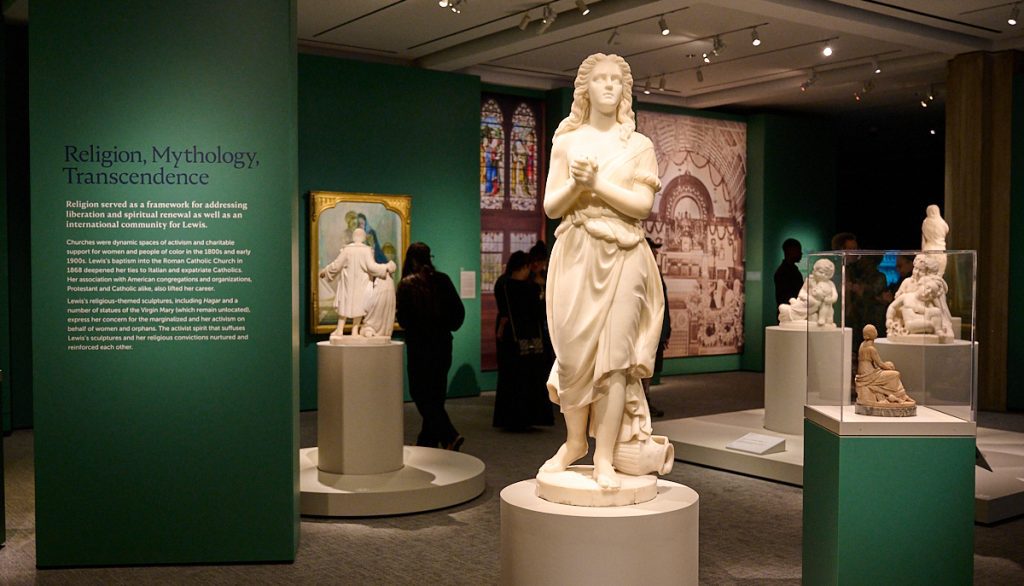
Born in 1844 in upstate New York, Edmonia Lewis defied expectations from the start. Of African American and Mississauga (Ojibwe) descent, she became the first woman of her background to gain international fame as a sculptor. Her journey took her from Boston to Rome, where she created works that tackled themes of freedom, identity, and resilience. But despite her success in her time, Lewis’s story was almost lost to history.
This exhibit is the first to gather her full range of work, over 100 pieces, and place them in the context of her life and the people who influenced her. It’s not just a collection of sculptures; it’s a layered story that touches on art, politics, identity, and legacy.
What Makes This Exhibit So Special?
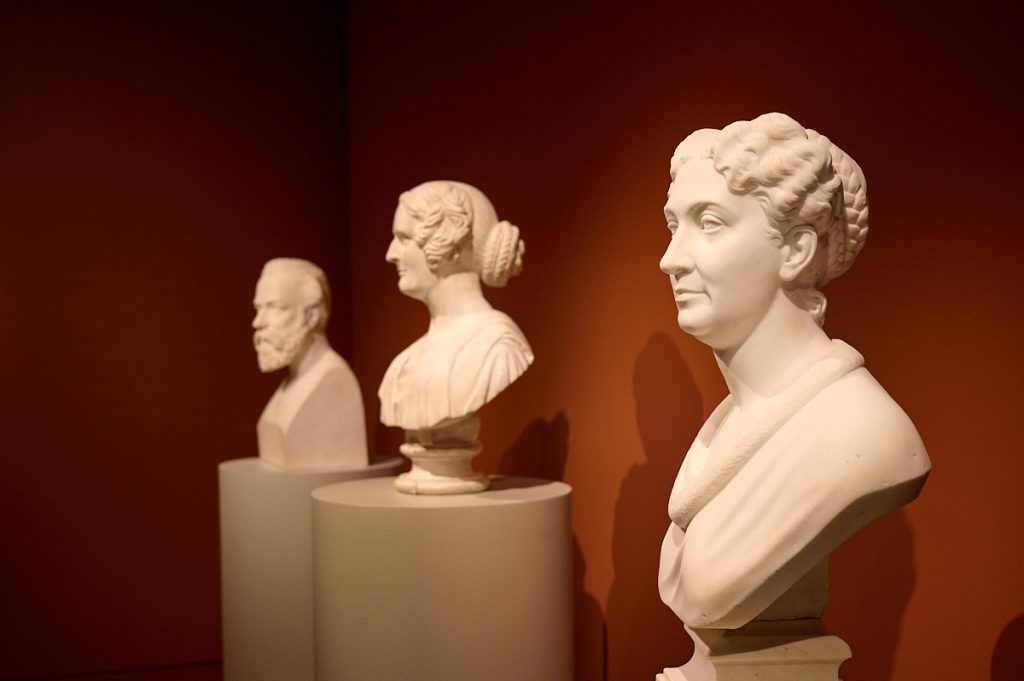
You don’t need to be an art historian to appreciate the emotional power of Lewis’s work. From the moment you enter, you’re greeted by a warm portrait of Lewis herself, inviting you in. The exhibit flows through different stages of her life: from her early days in Boston, where she connected with abolitionist leaders, to her studio in Rome, where she found the freedom to create.
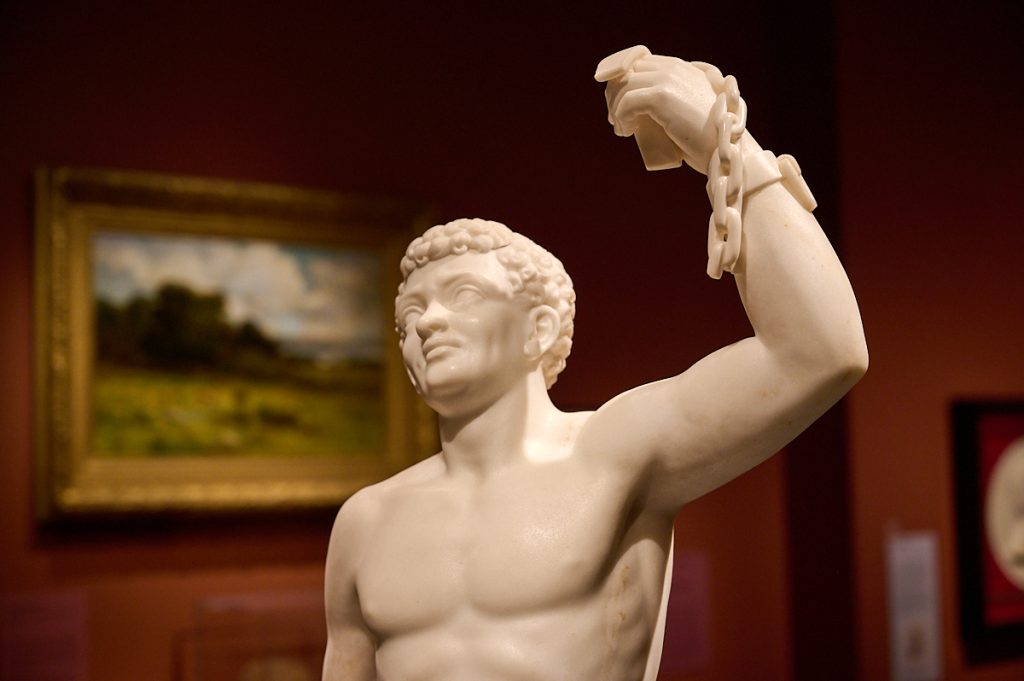
Standout works, including Forever Free (1866-67), a sculpture of two newly emancipated figures breaking their own chains, speak volumes. Nearby, her piece Hagar portrays strength and sorrow in equal measure. These aren’t just beautiful objects: they’re statements, and they still resonate today.
A Surprising Salem Connection
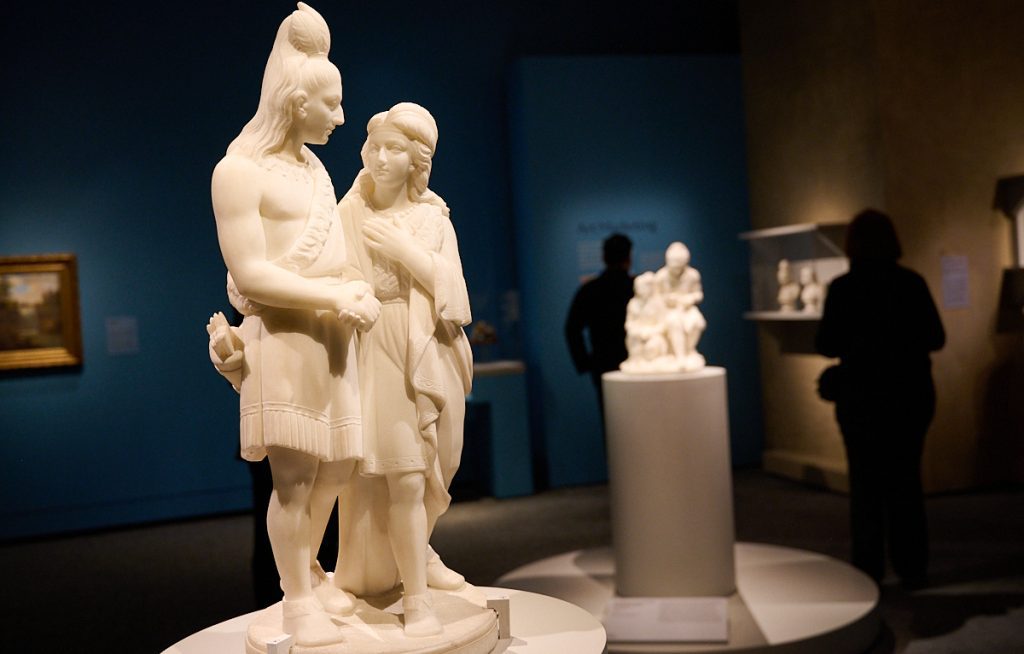
It turns out Salem played a key role in Edmonia Lewis’s story. When she arrived in Rome, two women from Salem, Abigail and Elizabeth Williams, helped her secure a studio space. And back in Massachusetts, Lewis was part of a strong network of Black artists, entrepreneurs, and activists that extended to Essex Street, not far from PEM itself. The local ties make this exhibition feel even more meaningful.
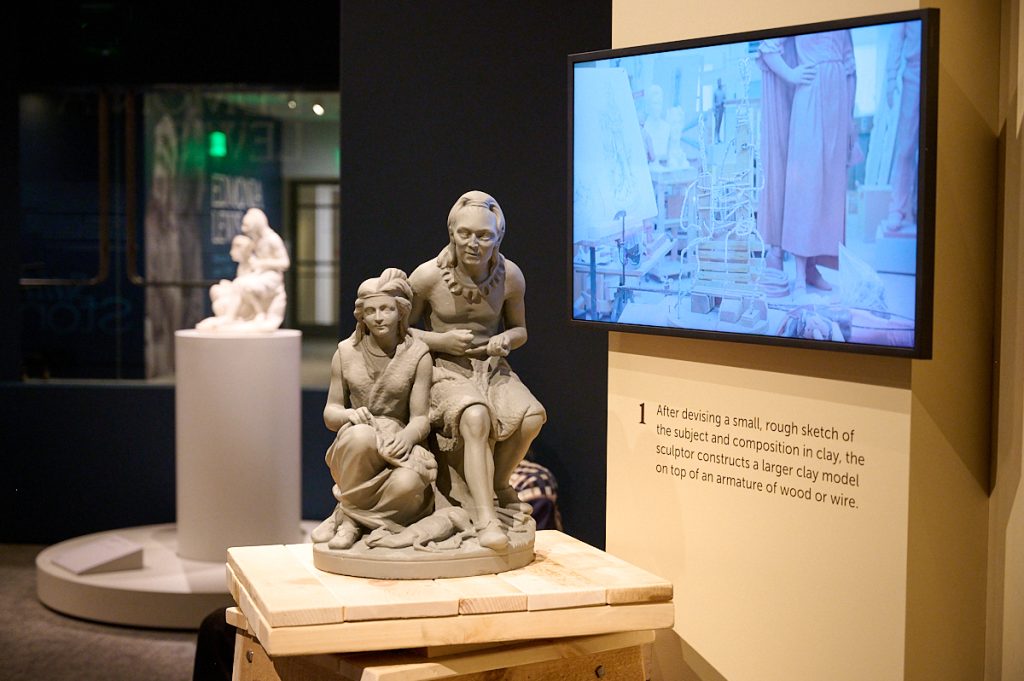
Stepping Into Her World
One of the most unique parts of the exhibit is a recreated section of her Rome studio. You can literally walk through the space and see how a marble sculpture was created, from clay model to finished piece. It’s a fascinating behind-the-scenes look at a process most of us never get to see.
This exhibition offers more than insight into how her art was made. It also invites reflection on how stories are remembered, and sometimes rediscovered. As visitors move through these galleries, they’re not just learning about Edmonia Lewis; they’re witnessing a life reclaimed from the edges of history.
–
You can learn more about this exhibit before your visit in PEMcast 41: The Storied Life of Edmonia Lewis, and on PEM.org/exhibitions/edmonia-lewis-said-in-stone.

Privacy Policy | © 2026, All Rights Reserved. Website designed and developed by Sperling..